Soapmaking Journal

Baby Bliss: The Perfect Soap for Your Little One's Skin
Our Baby Bliss soap bar is the ultimate choice for your baby's delicate skin. Made with fresh goat milk and honey, it provides deep moisturization and nourishment. Lightly scented with lavender essential oil, Baby Bliss is soothing and calming, perfect for both babies and adults with sensitive skin. Crafted from the finest natural and organic ingredients, it's no wonder parents love it. Treat your baby's skin to the gentle care it deserves with Baby Bliss – the best bar soap for babies on the market.
Learn moreThe Essential Role of Lye in Soapmaking: Understanding the Magic of Saponification
Lye, also known as sodium hydroxide or potassium hydroxide, is a fundamental ingredient in the soapmaking process. Despite its intimidating reputation, lye plays a crucial role in transforming oils and fats into the luxurious bars of soap we love. In this blog post, we'll explore why all soaps must be made with lye and demystify the misconception surrounding its presence in the final product. The Chemistry of Soapmaking: At its core, soapmaking is a chemical reaction known as saponification. This process involves combining fats or oils with lye to create soap and glycerin. When lye is mixed with water, it undergoes a chemical reaction that generates heat and produces caustic soda. This caustic soda then interacts with the oils or fats in a process called hydrolysis, resulting in the formation of soap molecules and glycerin. No Lye, No Soap: It's important to understand that lye is an essential component of the soapmaking process. Without lye, there would be no saponification, and thus, no soap. However, it's crucial to note that during saponification, the chemical composition of lye changes entirely. As the oils and lye react, they transform into soap molecules and glycerin, with no lye remaining in the final product. Safe Handling Practices: While lye is a caustic substance and must be handled with care, it is completely safe when used properly in soapmaking. Soapmakers follow strict safety protocols when working with lye, including wearing protective gear such as gloves and goggles and ensuring proper ventilation. By adhering to these safety measures, soapmakers can confidently harness the power of lye to create exquisite bars of soap. The Benefits of Glycerin: One of the byproducts of saponification is glycerin, a natural humectant that attracts moisture to the skin. Unlike commercial soaps, which often remove glycerin during the manufacturing process, handmade soaps retain this valuable ingredient, resulting in a moisturizing and nourishing lather. By using lye in soapmaking, artisans can preserve the glycerin and create soap that not only cleanses but also hydrates the skin. Craftsmanship and Creativity: Soapmaking is as much an art as it is a science. Skilled artisans use their expertise to craft unique blends of oils, fragrances, and colors, resulting in a diverse array of handcrafted soaps. By mastering the craft of soapmaking, artisans can create customized products that cater to individual preferences and skincare needs, offering a truly personalized skincare experience. In conclusion, lye is an indispensable ingredient in the soapmaking process, enabling the transformation of oils and fats into luxurious bars of soap through the magic of saponification. While the presence of lye may initially seem daunting, it undergoes a complete chemical transformation during soapmaking, leaving behind no trace in the final product. By understanding the role of lye in soapmaking and embracing proper safety practices, artisans can create exquisite handmade soaps that cleanse, nourish, and delight the senses.
Learn moreThe Benefits of Handcrafted Soap with Natural Ingredients
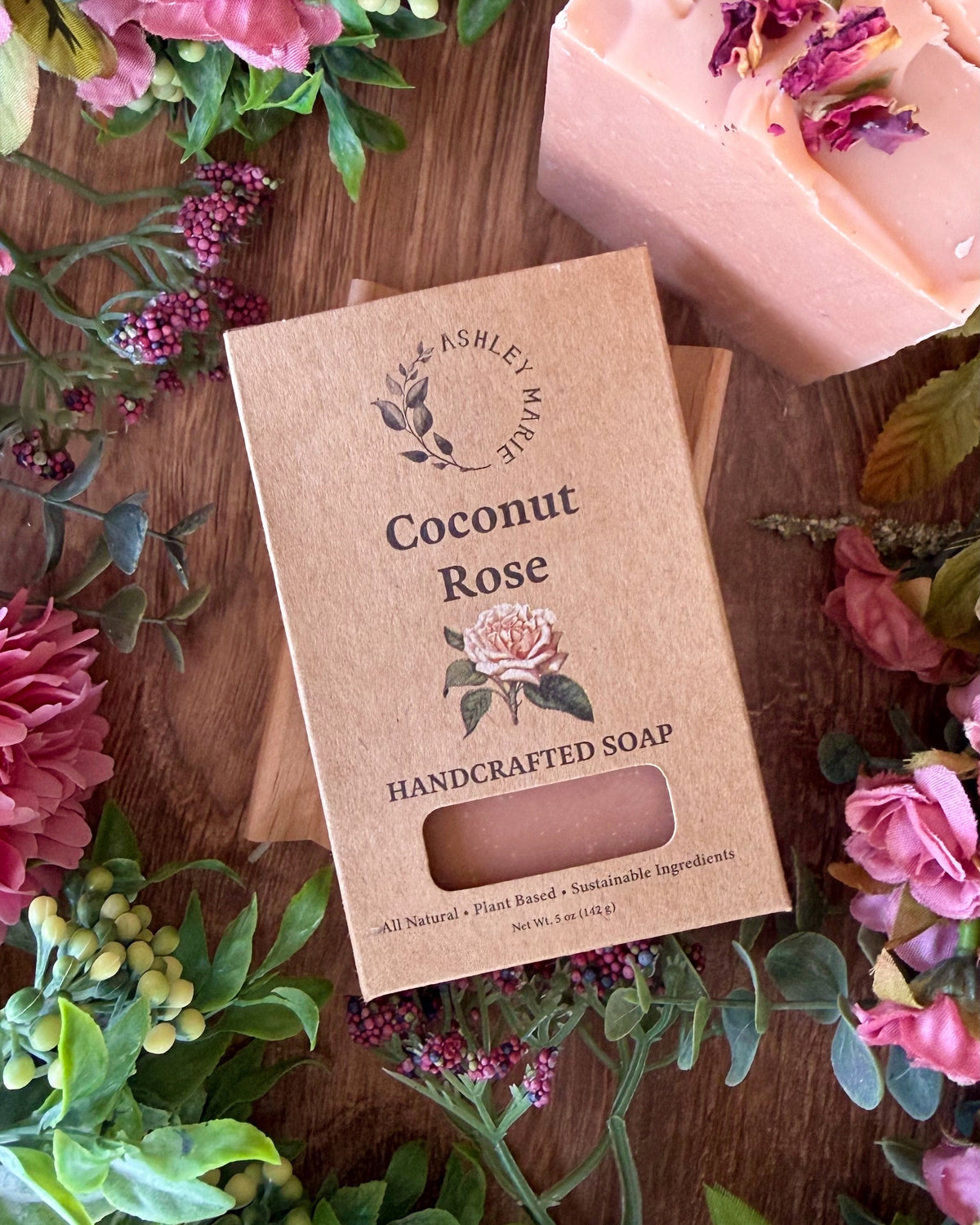
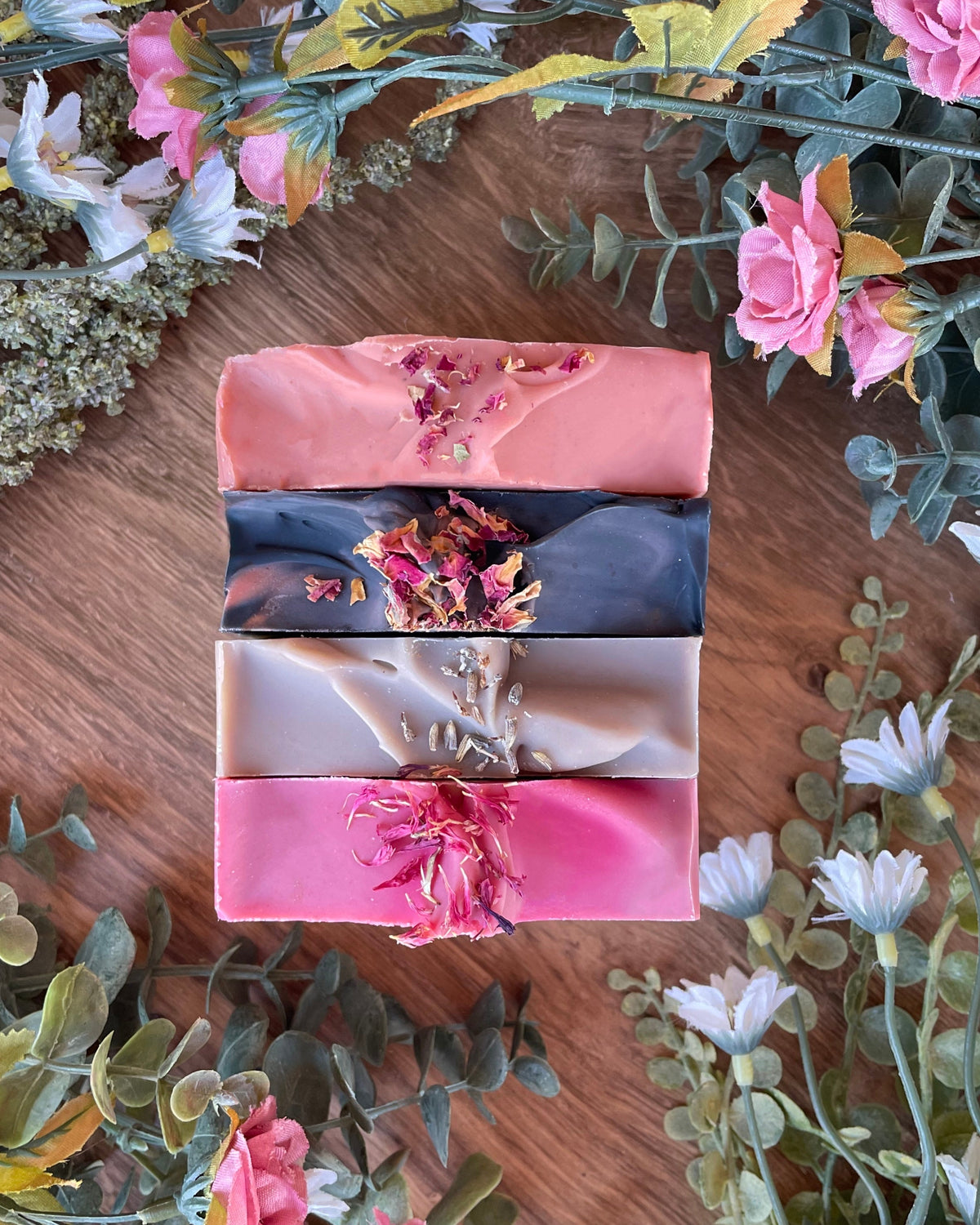
In a world saturated with mass-produced skincare products, it's easy to overlook the simple luxury of handcrafted soap. Yet, behind the allure of artisanal creations lies a plethora of benefits that set them apart from their conventional counterparts. Handcrafted soap, crafted with natural ingredients, offers a skincare experience that transcends the ordinary. Let's delve into why embracing these gems of craftsmanship can revolutionize your daily routine. Nourishment from Nature: Handcrafted soaps are formulated with natural ingredients like plant oils, botanical extracts, and essential oils. These ingredients are carefully chosen for their nourishing properties, ensuring that each lather delivers a dose of vitamins, antioxidants, and moisturizing agents to your skin. Unlike conventional soaps that may contain synthetic additives and harsh chemicals, handcrafted varieties feed your skin with the goodness of nature, leaving it feeling soft, hydrated, and rejuvenated. Gentle Cleansing: One of the hallmarks of handcrafted soap is its gentle cleansing action. Natural ingredients work in harmony to remove impurities without stripping away the skin's natural oils. This delicate balance is especially beneficial for individuals with sensitive skin, as handcrafted soaps are less likely to cause irritation or dryness. With their mild yet effective cleansing properties, these soaps offer a luxurious bathing experience that pampers the skin while keeping it healthy and balanced. My most gentle soap is Milk, Oats, & Honey which is great for even the most sensitive of skin. Artisanal Craftsmanship: Handcrafted soap is a labor of love, crafted by skilled artisans who pour their passion and expertise into every batch. Each bar is meticulously handmade in small batches, allowing for greater attention to detail and quality control. This artisanal approach ensures that every bar of soap is unique, with its own character, scent, and texture. Beyond mere functionality, handcrafted soap becomes a sensorial experience, transforming your daily routine into a moment of indulgence and self-care. Environmentally Conscious: Choosing handcrafted soap with natural ingredients is not only beneficial for your skin but also for the environment. Many artisanal soapmakers prioritize sustainability, using eco-friendly packaging and sourcing ingredients from ethical suppliers. By supporting small-scale artisans, you're investing in a more sustainable and environmentally conscious skincare regimen. Tailored to Your Preferences: Handcrafted soap offers a myriad of options to suit individual preferences and needs. Whether you prefer vibrant scents, gentle exfoliation, or specific skincare benefits, there's a handcrafted soap out there for you. With customizable formulas and unique blends, you can curate a skincare routine that caters to your skin's specific requirements, ensuring optimal results with every wash. In conclusion, the allure of handcrafted soap with natural ingredients lies not only in its superior quality and efficacy but also in the experience it offers. From nourishing the skin with the goodness of nature to indulging the senses with exquisite scents and textures, handcrafted soap elevates the mundane task of cleansing to a luxurious ritual. So why settle for ordinary when you can embrace the extraordinary? Treat yourself to the luxury of handcrafted soap and experience skincare at its finest.
Learn more